
Electricity powers homes, offices, shops, factories, and almost every modern workplace. From lights and fans to refrigerators, computers, and air conditioners, electrical equipment makes daily life easier. However, damaged wiring, faulty appliances, and overloaded circuits can create serious safety risks if they are not addressed properly.
One common electrical hazard is a short circuit. It occurs when electricity follows an unintended path with very low resistance, potentially causing a sudden increase in current. This can produce heat, sparks, equipment damage, and, in some circumstances, a fire.
Understanding how short circuit prevention actually works helps homeowners, business owners, and building managers make safer decisions. In Pakistan, where electrical equipment, air conditioners, backup power systems, and household appliances are widely used, preventive maintenance and suitable electrical protection are important parts of fire safety.
This guide explains the causes of short circuits, how electrical protection devices work, which warning signs deserve attention, and how fire detection systems contribute to overall building safety.
What Is a Short Circuit?
A short circuit is an electrical fault in which current travels along an unintended path instead of following the designed circuit. This path may have much lower resistance than the normal route, allowing an unusually high current to flow.
Electrical circuits are designed to carry current through specific wires, connections, switches, and appliances. When insulation becomes damaged or conductors touch where they should not, the intended electrical path can be disrupted.
For example, a damaged appliance cable may expose internal conductors. If they make unwanted contact, a short circuit may occur. Faults can also develop inside electrical equipment, sockets, switches, or building wiring.
Not every electrical problem is a short circuit. An overloaded circuit, a loose connection, and an earth leakage fault are different problems, although all can create electrical or fire hazards.
The important point is that electrical faults should never be ignored. Identifying their causes and using suitable protective equipment can reduce the likelihood of serious damage.
Why Can Short Circuits Cause Fires?
Electrical current generates heat as it passes through materials. Under normal conditions, wiring and equipment are designed to operate within specified limits. A fault can cause current, heat, or electrical arcing to rise to dangerous levels.
An electrical arc occurs when current jumps across a gap between conductive parts. Arcing can produce intense heat and may ignite nearby combustible materials.
A short circuit can also damage the insulation around conductors, affect connected appliances, and create additional faults. If the electrical supply is not interrupted quickly enough, surrounding materials may ignite.
Common combustible materials near electrical equipment include paper, cardboard, curtains, furniture, fabrics, and plastic packaging. Keeping these materials away from electrical hazards can help reduce the chance that a fault develops into a fire.
However, not every short circuit causes a fire. The outcome depends on factors such as the fault, available current, protective devices, equipment condition, and nearby materials.
What Causes Electrical Short Circuits?
Understanding common causes is the first step toward preventing electrical faults.
1. Damaged Wire Insulation
Electrical wires have insulation that prevents conductors from making unintended contact. Over time, insulation may deteriorate because of heat, age, mechanical damage, moisture, or unsuitable installation.
Cables can also be damaged when furniture presses against them, doors repeatedly crush them, or people use them in ways they were not designed for.
Damaged wiring should be assessed and repaired by a qualified electrician. Covering a damaged cable with an improvised repair is not a reliable substitute for proper repair or replacement.
2. Faulty Electrical Appliances
Appliances may develop internal electrical faults because of wear, manufacturing defects, overheating, or physical damage.
Warning signs can include unusual heat, a burning smell, visible damage, sparks, or repeated tripping of protective devices.
If an appliance appears faulty, stop using it and arrange a professional inspection or suitable replacement. Do not continue operating it simply because it still switches on.
3. Overloaded Circuits
An overloaded circuit carries more current than it is designed to handle. This can cause wires and connections to overheat, potentially damaging insulation and increasing fire risk.
Overloading may occur when too many high-power appliances are connected to the same circuit or when a building’s electrical installation is not suitable for its current needs.
A qualified electrician can assess the load and determine whether additional circuits or other improvements are required.
4. Loose or Poor Connections
Loose electrical connections can create resistance and localised heating. Depending on the fault, they may also produce arcing or intermittent operation.
Flickering lights, buzzing sounds, discoloured sockets, and unusual heat around switches can indicate an electrical problem.
These signs require professional assessment. Do not remove socket covers or attempt repairs while equipment may be energised.
5. Moisture and Water Exposure
Water and damp conditions can increase electrical risks, particularly when wiring, sockets, or appliances are damaged or unsuitable for the environment.
Kitchens, bathrooms, outdoor areas, workshops, and places affected by leaks require appropriate electrical protection.
Keep electrical equipment away from water and arrange repairs to leaking pipes or damp areas that affect electrical installations. Equipment exposed to water should be assessed before it is used again.
How Does Short Circuit Prevention Actually Work?
Short circuit prevention combines safe electrical design, suitable protective devices, correct installation, regular maintenance, and responsible use of appliances. No single measure can prevent every possible fault.
The main objective is to reduce the likelihood of faults developing and ensure that dangerous electrical conditions are managed as safely as possible.
1. Correct Electrical Wiring
Properly designed and installed wiring is the foundation of electrical safety. Wires, cables, switches, sockets, and connections must be suitable for the expected electrical load and the environment where they are installed.
Correct installation helps prevent damaged insulation, unsuitable connections, and overheating caused by inappropriate components.
Older buildings may need an electrical inspection, particularly if they have undergone renovations, added new equipment, or experienced recurring electrical problems.
In Pakistan, homeowners and building managers should use qualified electrical professionals who understand the applicable standards and requirements.
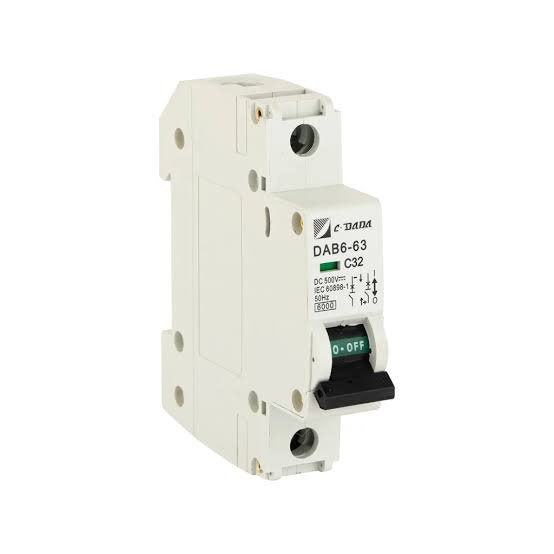
2. Circuit Breakers
A circuit breaker is a protective device designed to interrupt the electrical supply when certain fault conditions occur.
Many breakers provide protection against overcurrent, including overloads and short circuits. When the current exceeds the device’s operating limits under the relevant conditions, the breaker trips and opens the circuit.
This helps limit the duration of a fault and reduces the risk of overheating or equipment damage.
However, a circuit breaker must be correctly selected and installed for the circuit it protects. An unsuitable rating or incorrectly coordinated protection may fail to provide the intended level of safety.
If a breaker trips repeatedly, do not keep resetting it without investigating the cause. A qualified electrician should determine whether the problem involves an overload, short circuit, faulty appliance, or another electrical issue.
3. Correctly Rated Fuses
A fuse contains a protective element that interrupts current when it exceeds its designed limits. Once the fuse operates, it must be replaced with the correct type and rating, following the equipment manufacturer’s instructions.
A fuse is not intended to be replaced with an arbitrary higher-rated component to prevent it from blowing. Doing so may leave wiring inadequately protected.
Fuses and circuit breakers are useful only when selected for the electrical installation and maintained appropriately.
4. Earthing and Earth-Leakage Protection
Earthing, also called grounding in some countries, helps provide a safe path for fault current under specified conditions. It is an important part of protecting people and electrical installations.
Residual-current devices (RCDs), also known in some applications as residual-current circuit breakers, monitor the balance of current flowing through conductors. They can disconnect the supply when they detect a difference that indicates current may be leaking along an unintended path.
These devices are particularly important for reducing certain electric-shock risks. They do not replace overcurrent protection, and not every RCD is designed to protect against a short circuit.
The correct protective arrangement depends on the installation. A qualified electrician should select and test the devices required for the specific premises.
5. Electrical Inspections and Maintenance
Regular inspections can identify damaged cables, loose connections, unsuitable equipment, and other problems before they become more serious.
The appropriate inspection schedule depends on the building, equipment, environment, usage, and applicable requirements.
Maintenance may include checking visible cables and plugs, examining electrical panels, testing protective devices, and arranging repairs when problems are found.
Electrical panels and internal wiring should only be inspected or serviced by suitably qualified people. Routine visual checks by occupants are not a substitute for professional testing.
Practical Ways to Prevent Short Circuits at Home
Homeowners can improve electrical safety through a few consistent habits.
- Avoid overloading sockets and extension boards.
- Use appliances and accessories that are suitable for their intended purpose.
- Replace damaged plugs, cables, and equipment through qualified professionals.
- Keep electrical equipment away from water and damp surfaces.
- Do not run cables where doors, furniture, or foot traffic can damage them.
- Avoid improvised wiring joints and unauthorised electrical modifications.
- Arrange professional checks if breakers trip repeatedly.
- Follow the manufacturer’s instructions for installation, cleaning, and maintenance.
- Ensure that new high-power appliances are suitable for the existing electrical circuit.
Homes in Pakistan may use air conditioners, water pumps, electric heaters, refrigerators, washing machines, and backup power equipment. Adding several high-power appliances to an older electrical installation may require a professional assessment of circuit capacity.
Do not assume that a socket is safe simply because it can physically accommodate a plug.
Short Circuit Prevention in Shops and Offices
Commercial premises may have more electrical equipment than an ordinary home. Computers, printers, refrigerators, lighting systems, air conditioners, and specialist machinery can place substantial demands on the electrical installation.
Business owners should make electrical safety part of their regular workplace maintenance.
Keep electrical panels accessible and avoid using the surrounding space for storage. Ensure equipment is installed according to its requirements and that ventilation openings are not blocked.
Staff should know how to report burning smells, unusual sounds, damaged cables, or recurring electrical faults. Reported problems should be addressed promptly rather than waiting for the next scheduled inspection.
Businesses that operate workshops, kitchens, warehouses, or manufacturing equipment may need a more detailed electrical and fire risk assessment because of their particular working conditions.
A written maintenance record can help track inspections, repairs, and recurring faults.
How Do Fire Alarm Systems Help?
Electrical protection and fire detection perform different but complementary roles.
Circuit breakers, fuses, and other suitable protective devices help manage electrical faults. A fire alarm system is intended to warn occupants when a fire-related condition is detected or when someone activates a manual alarm.
Smoke detectors may identify smoke from a developing fire, while heat detectors respond to specified temperature conditions. The appropriate detection equipment depends on the building’s layout, environment, use, and applicable requirements.
A properly designed fire alarm system in Pakistan can be an important part of a building’s overall fire safety arrangements. Depending on the premises, the system may include detectors, manual call points, a control panel, and audible or visual warning devices.
For example, if an electrical fault develops into a fire, a suitable detection system may warn occupants so they can evacuate and emergency services can be contacted.
However, a fire alarm does not prevent a short circuit, repair faulty wiring, or guarantee that a fire will be detected immediately. It should be combined with proper electrical protection, maintenance, suitable firefighting equipment, and a clear evacuation plan.
The Building Code of Pakistan Fire Safety Provisions 2016 is an important reference for building fire safety. Owners should consult the relevant authority and qualified professionals to determine which fire protection measures apply to their particular building.
Warning Signs You Should Never Ignore
Electrical problems may develop gradually, and early warning signs should be taken seriously.
Watch for:
- A burning or unusual smell near a socket or electrical panel.
- Discoloured, cracked, or damaged plugs and switches.
- Repeatedly tripping circuit breakers.
- Flickering lights associated with other electrical problems.
- Unusual buzzing, crackling, or sparking.
- Appliances or sockets becoming unexpectedly hot.
- Visible damage to electrical cables.
These signs do not all mean a short circuit is occurring, but they can indicate a fault that requires attention.
Stop using suspected faulty equipment and keep people away from the affected area. Do not touch exposed wires, open electrical panels, or attempt repairs yourself.
If there is smoke, fire, or immediate danger, warn others, evacuate using a safe route, and contact the appropriate emergency service. Do not put yourself at risk trying to investigate the fault.
What Should You Do During an Electrical Fire?
An electrical fire requires a cautious response because the equipment may still be energised.
Raise the alarm and evacuate anyone in immediate danger. Contact emergency services and follow the building’s emergency procedure.
Do not throw water onto equipment that may still be connected to electricity. If the power can be disconnected safely without approaching the fire or exposing yourself to danger, this may help, but evacuation must come first.
Only a person with suitable training should consider using an appropriate extinguisher on a small, contained fire when it is safe to do so and a clear escape route is available. Otherwise, leave the area and wait for emergency responders.
Never return to a building until the appropriate authorities say it is safe.
Conclusion
Short circuit prevention works by reducing the chance of electrical faults and ensuring that suitable protective devices can respond when faults occur. Correct wiring, appropriate circuit breakers and fuses, earthing, earth-leakage protection, professional inspections, and safe appliance use all contribute to electrical safety.
Homeowners and businesses should treat warning signs seriously and avoid unqualified electrical repairs. In addition, a suitable fire alarm system can provide an important warning if an electrical fault develops into a fire, helping occupants respond and evacuate.
For homes and businesses in Pakistan, the best approach is to combine electrical maintenance with a broader fire safety plan. Prevention, early warning, and safe evacuation work together to protect people and property.
Frequently Asked Questions (FAQs)
1. What is the main cause of a short circuit?
Short circuits can result from damaged wire insulation, faulty appliances, incorrect wiring, moisture exposure, or unintended contact between electrical conductors. The actual cause should be identified by a qualified electrician.
2. How do circuit breakers prevent electrical fires?
Circuit breakers are designed to interrupt current when specified overcurrent conditions occur. By disconnecting a faulty circuit, they can help limit overheating and reduce fire risk when correctly selected and installed.
3. Can a fire alarm system prevent a short circuit?
No. A fire alarm system primarily provides warning when a fire-related condition is detected. Short circuit prevention relies on safe wiring, suitable protective devices, maintenance, and responsible use of electrical equipment.
4. Why does my circuit breaker keep tripping?
Repeated tripping may indicate an overloaded circuit, a short circuit, a faulty appliance, or another electrical problem. Do not keep resetting the breaker without investigating the cause. Arrange an inspection by a qualified electrician.
5. What should I do if I notice a burning smell near an electrical socket?
Stop using the affected equipment and keep people away from the suspected hazard. Do not remove the socket cover or attempt a repair. If there is smoke, fire, or immediate danger, evacuate and contact emergency services.